Lifestyle and Documentary Photography for Business: Understanding the Difference
Documentary or lifestyle photography — which is right for you?
If you’re commissioning photography for your business, you’ve probably come across the terms lifestyle photography and documentary photography. They’re often used interchangeably, but they’re not the same thing, and the difference matters more than you might think.
Both approaches can work brilliantly. The key is understanding what each one is really doing, and what you need the images to say.

What is lifestyle photography for business?
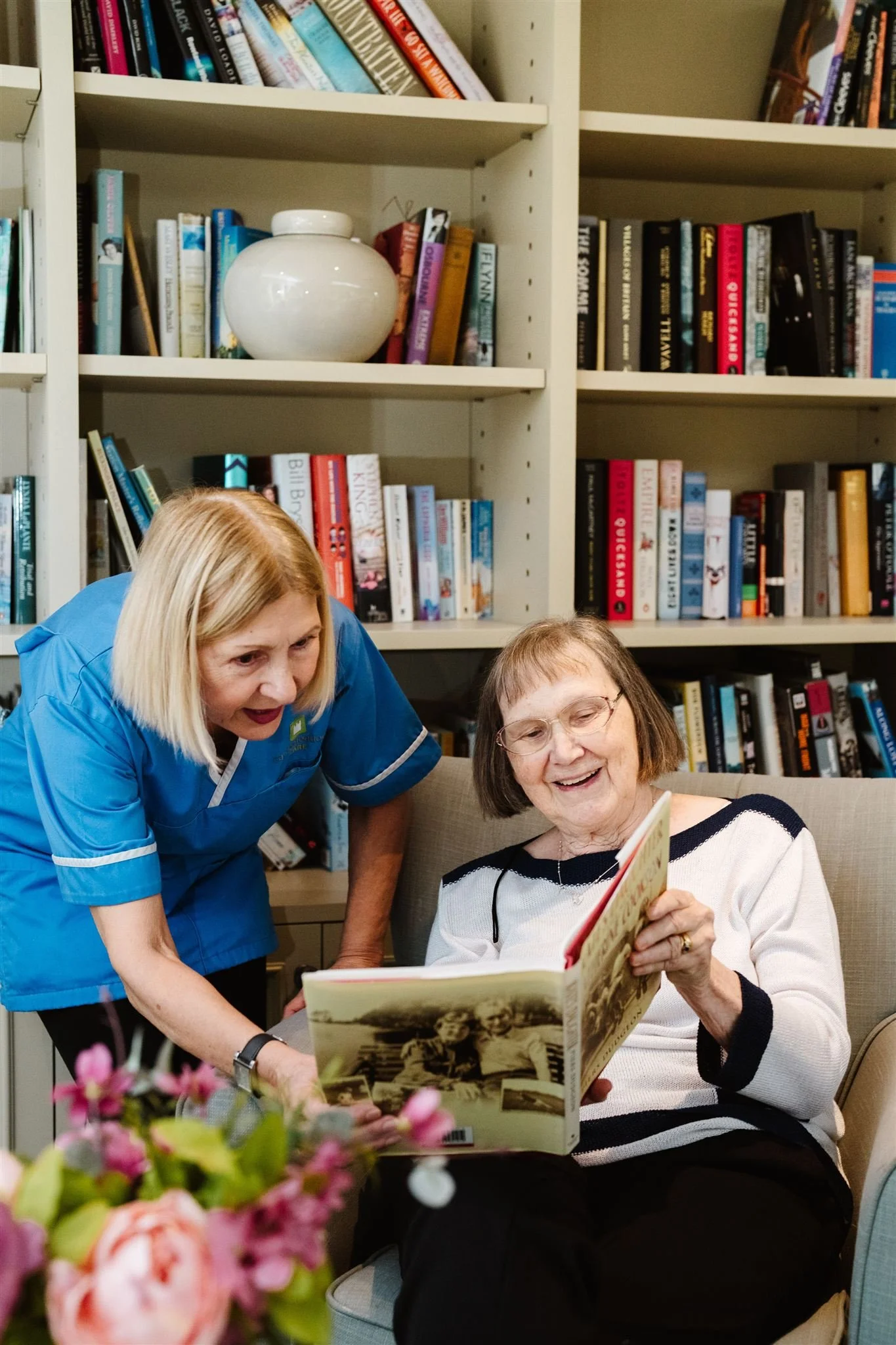
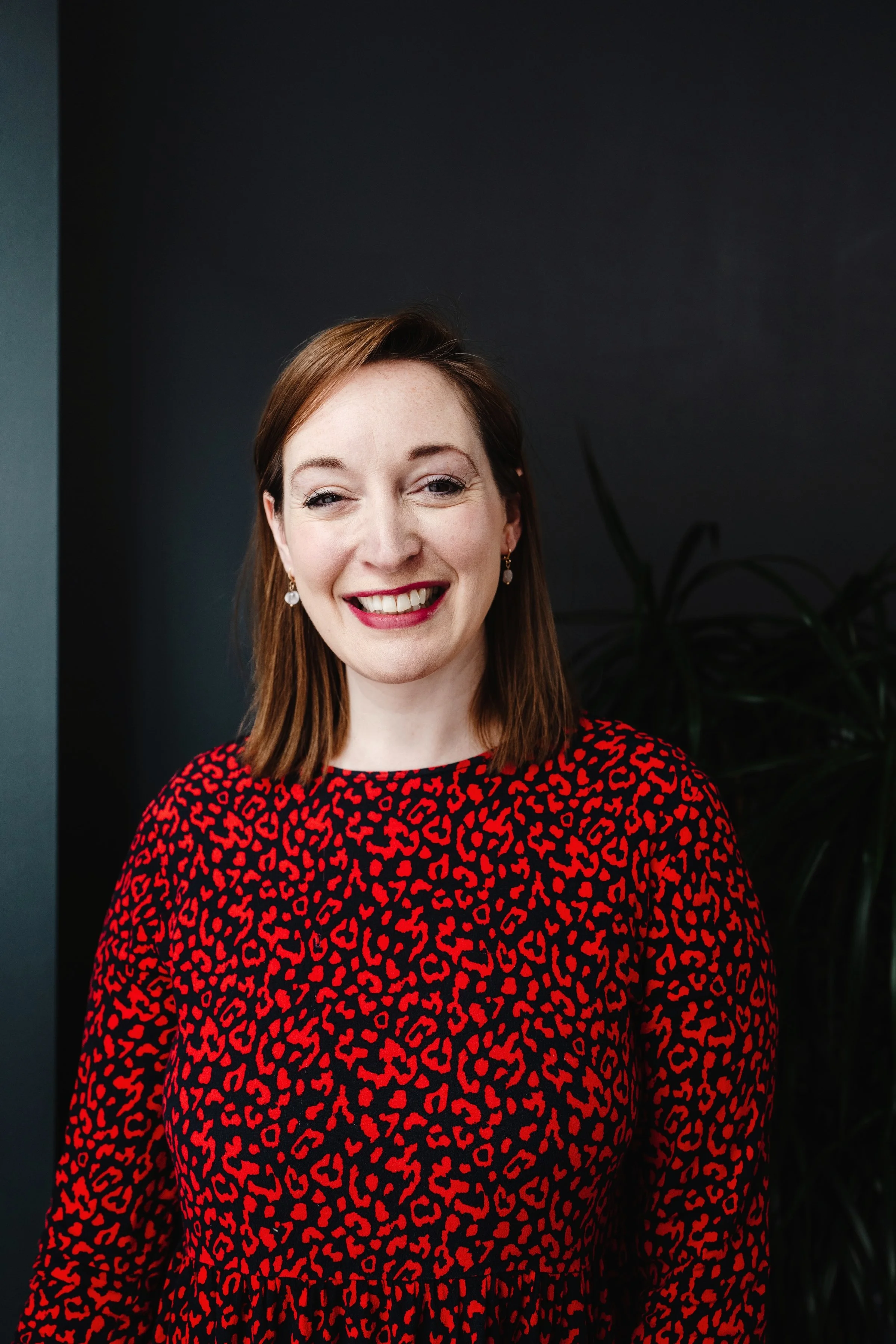
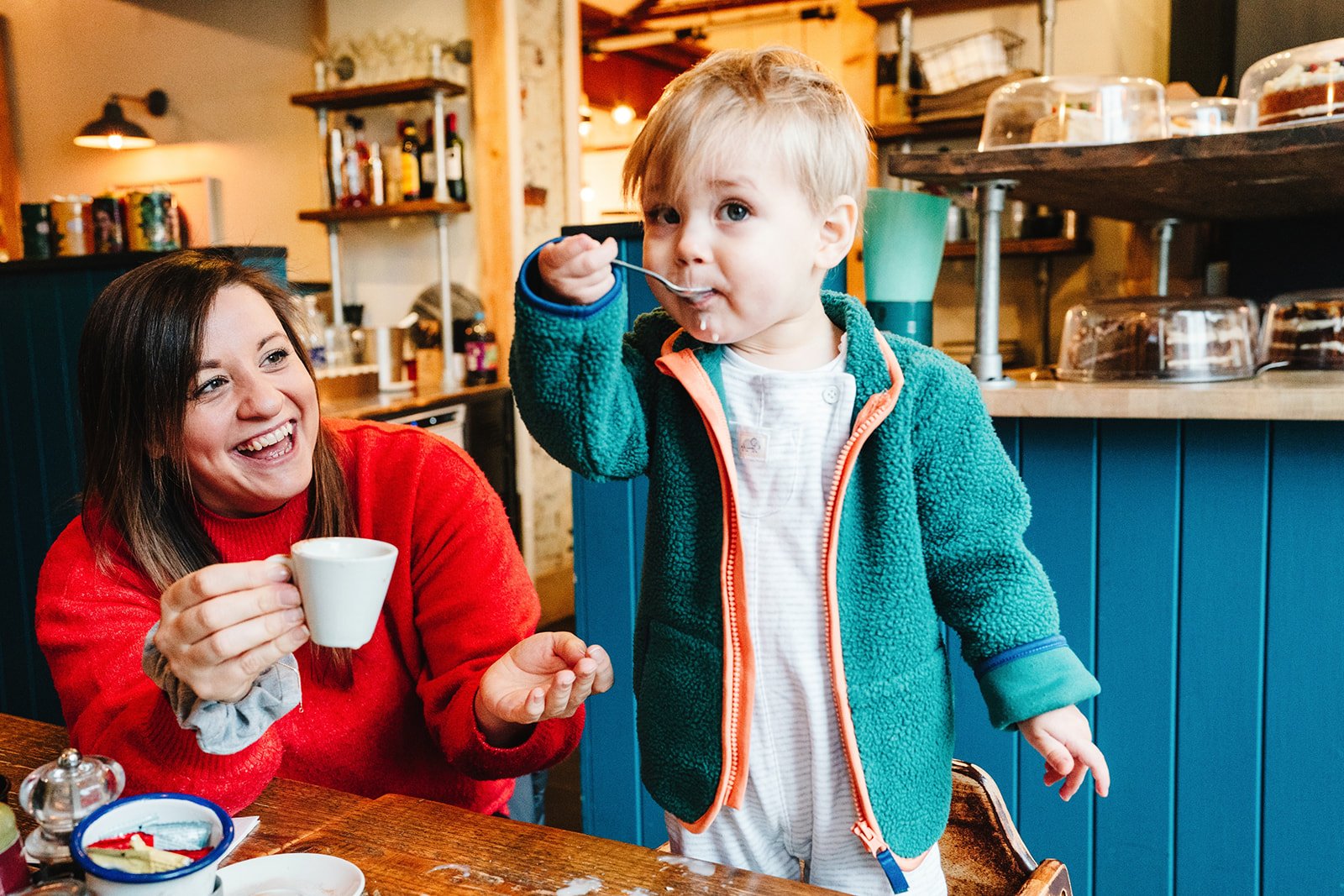
Lifestyle photography is designed to show people at work in a way that feels natural, positive and aspirational.
Scenes are usually planned or lightly directed. People might be asked to repeat an action, shift position, or interact in a way that looks relaxed and authentic on camera. The aim isn’t to deceive, but to create images that feel real while still being visually polished.


Lifestyle photography works especially well when:
you need clear, upbeat images quickly
you want consistency across a website or campaign
you’re introducing a team or service for the first time
the images are more about impression than process
It’s a strong choice for websites, recruitment pages and marketing materials where clarity and approachability matter.

What is documentary photography for business?
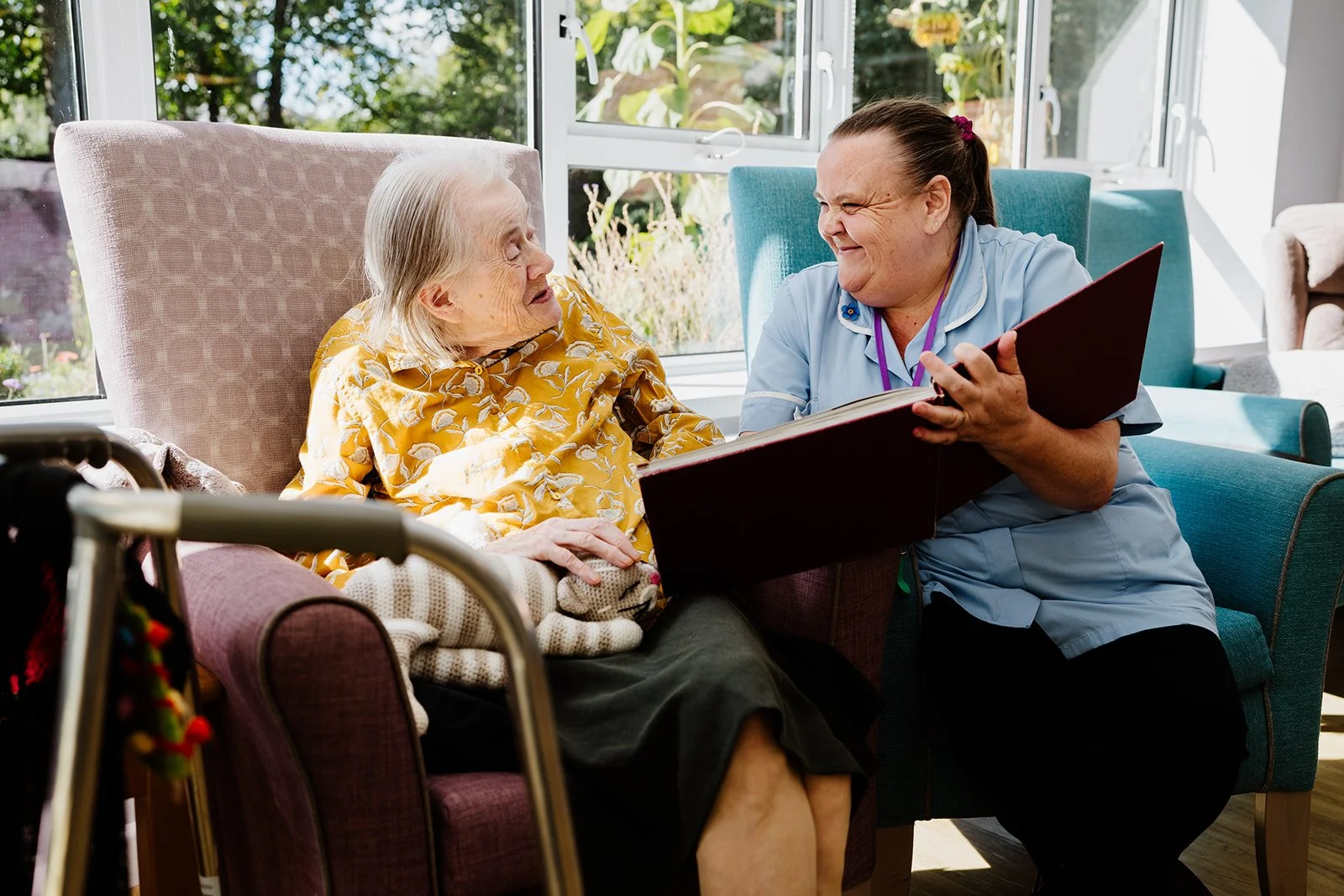
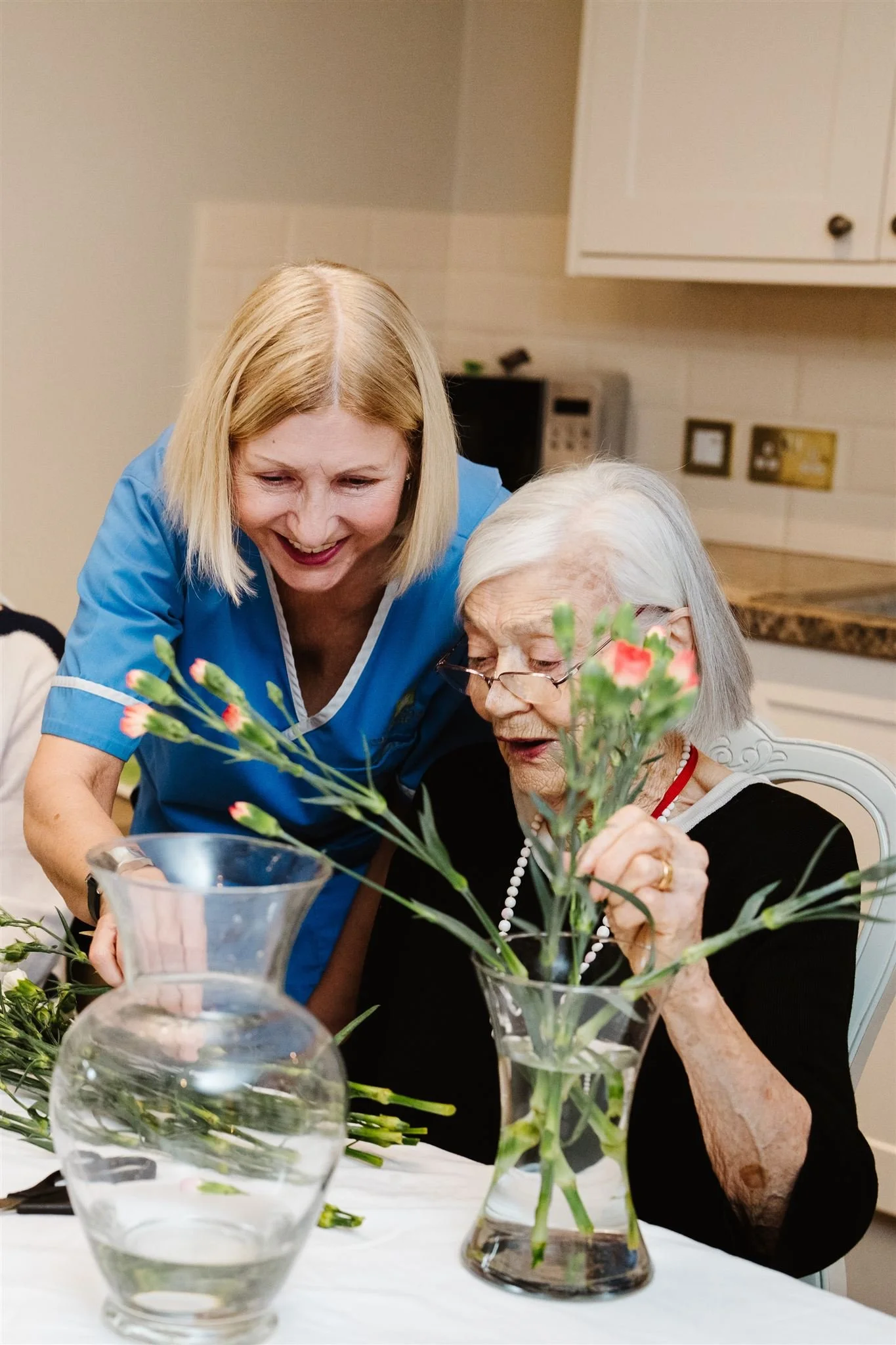
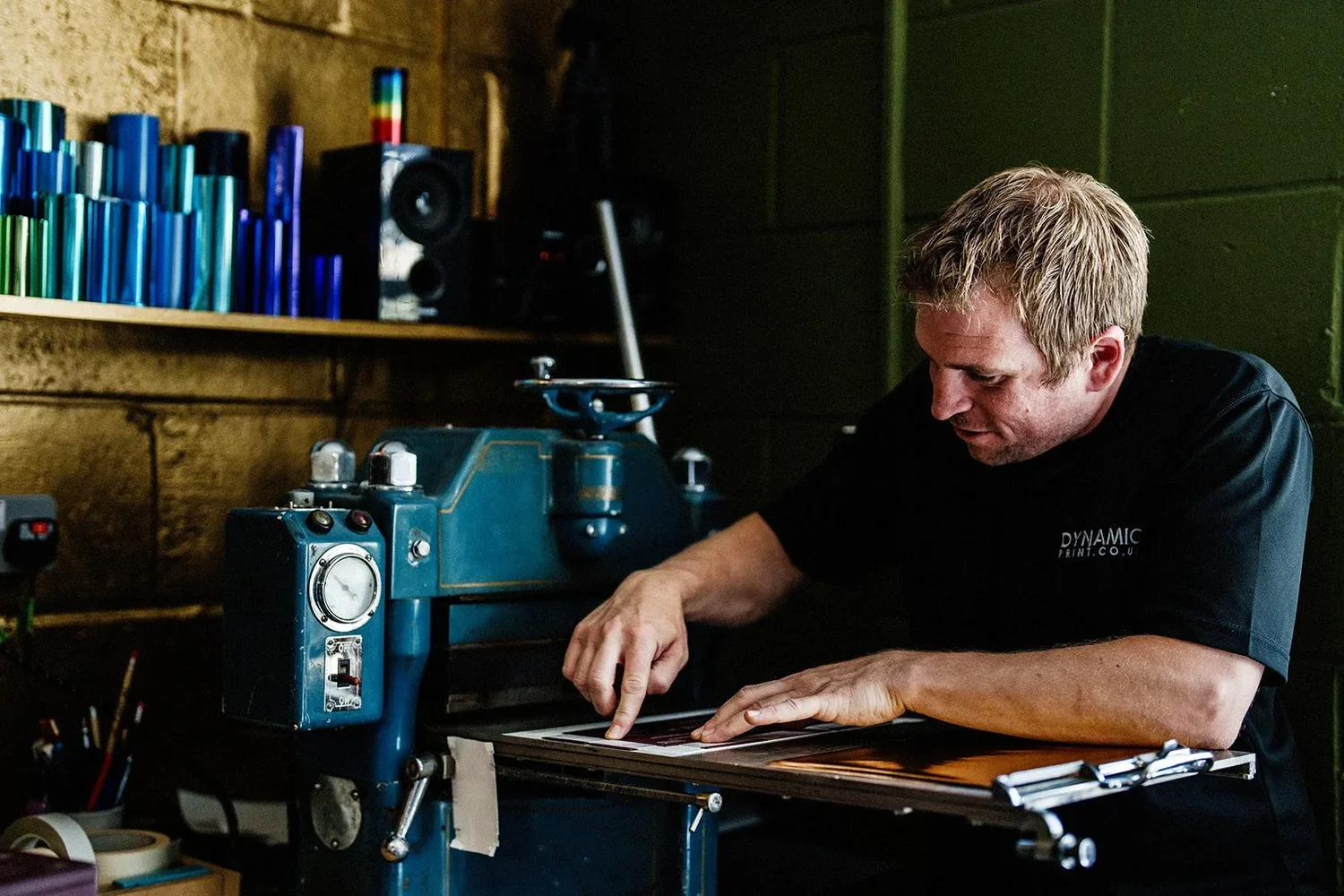
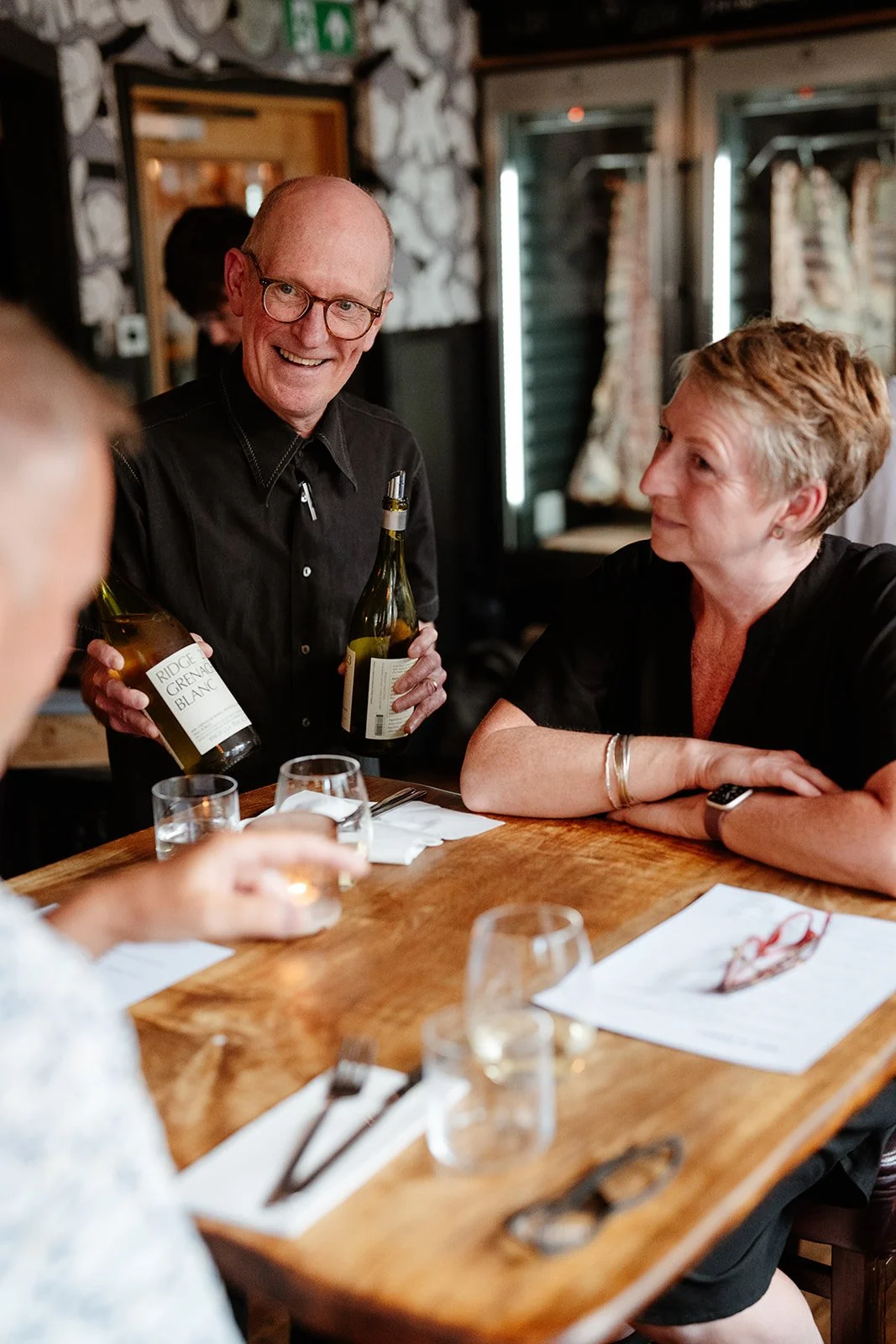
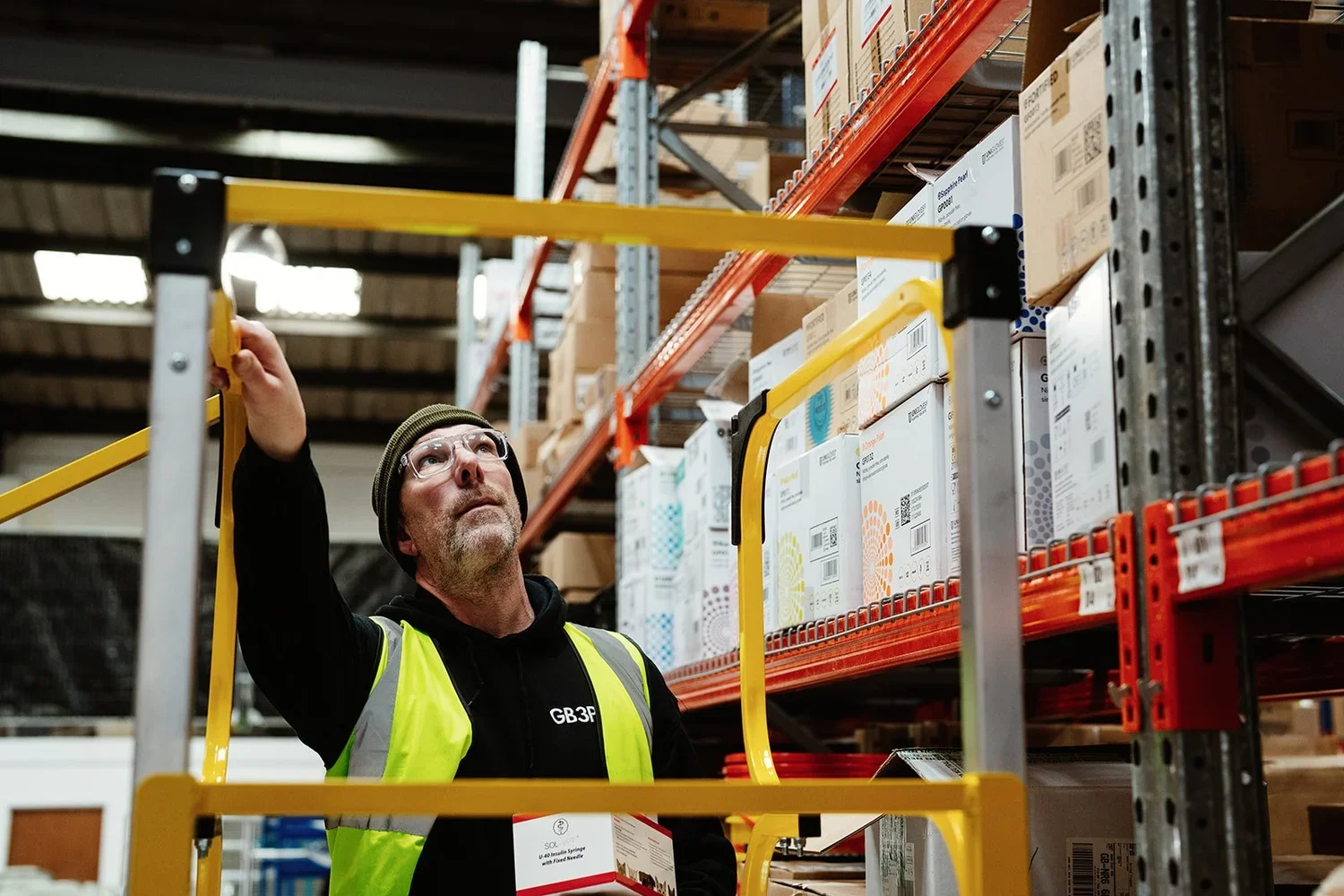
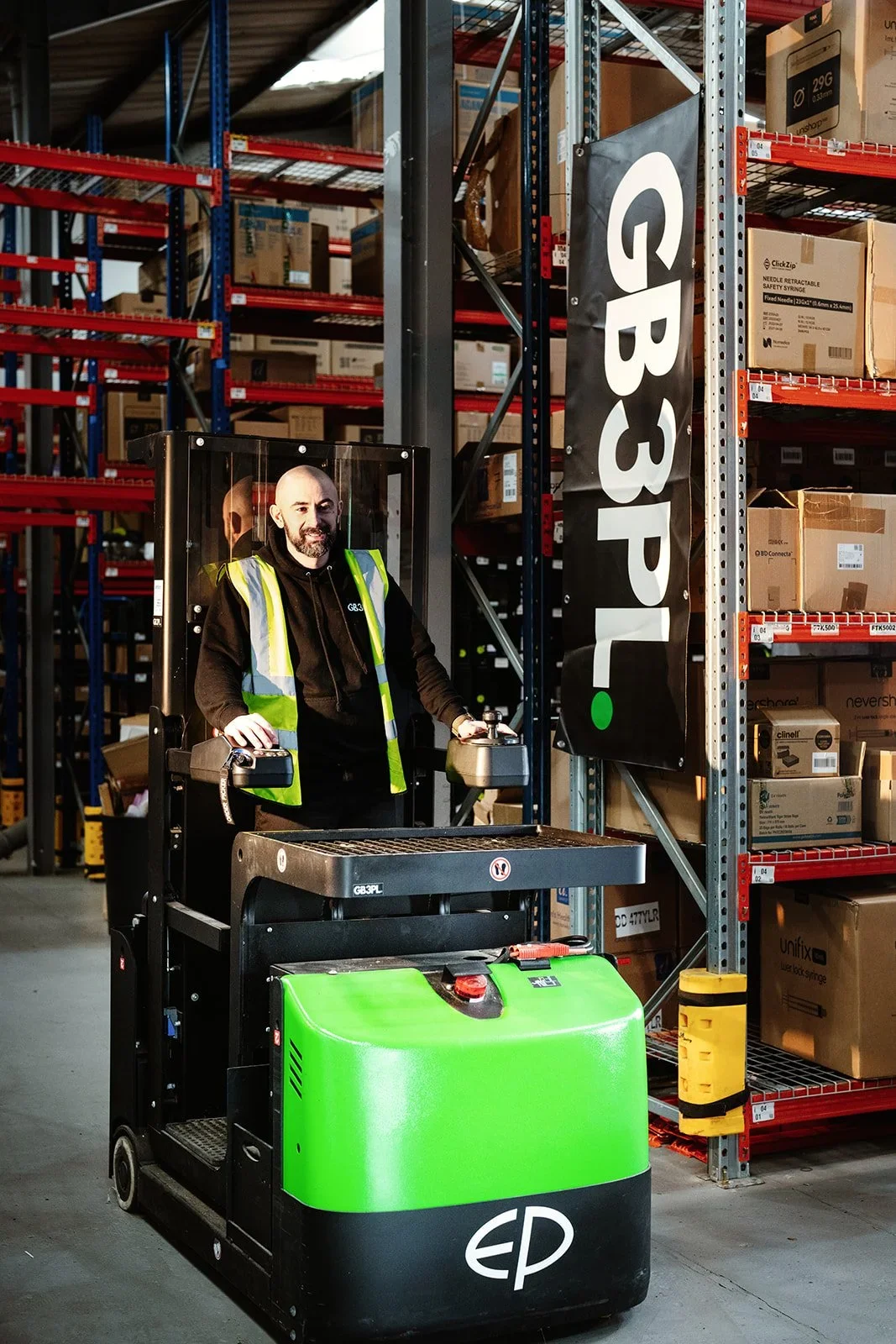
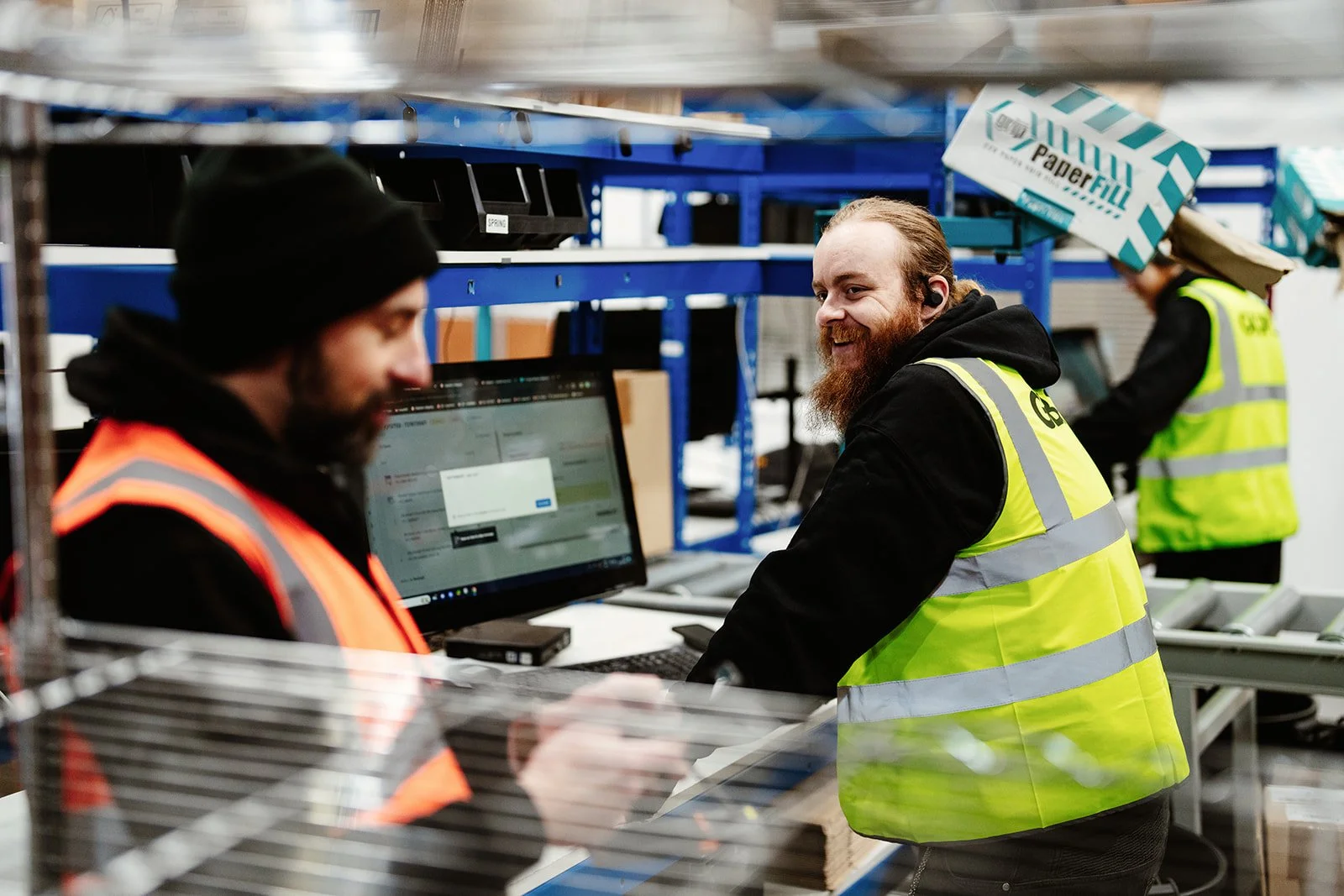
Documentary photography takes a different approach. Rather than setting scenes up, it focuses on observing what’s already happening.
There’s little to no posing. No asking people to “do that again”. The photographer works around the activity in the space, capturing real moments as they unfold. The pace of work, the environment and the available light all shape the final images.
Documentary photography is particularly effective when:
trust and credibility are important
you want to show how work actually happens
your organisation values transparency
the story matters as much as the visuals
It’s often used for editorial-style storytelling, reports, PR, social impact work and long-term brand communication.



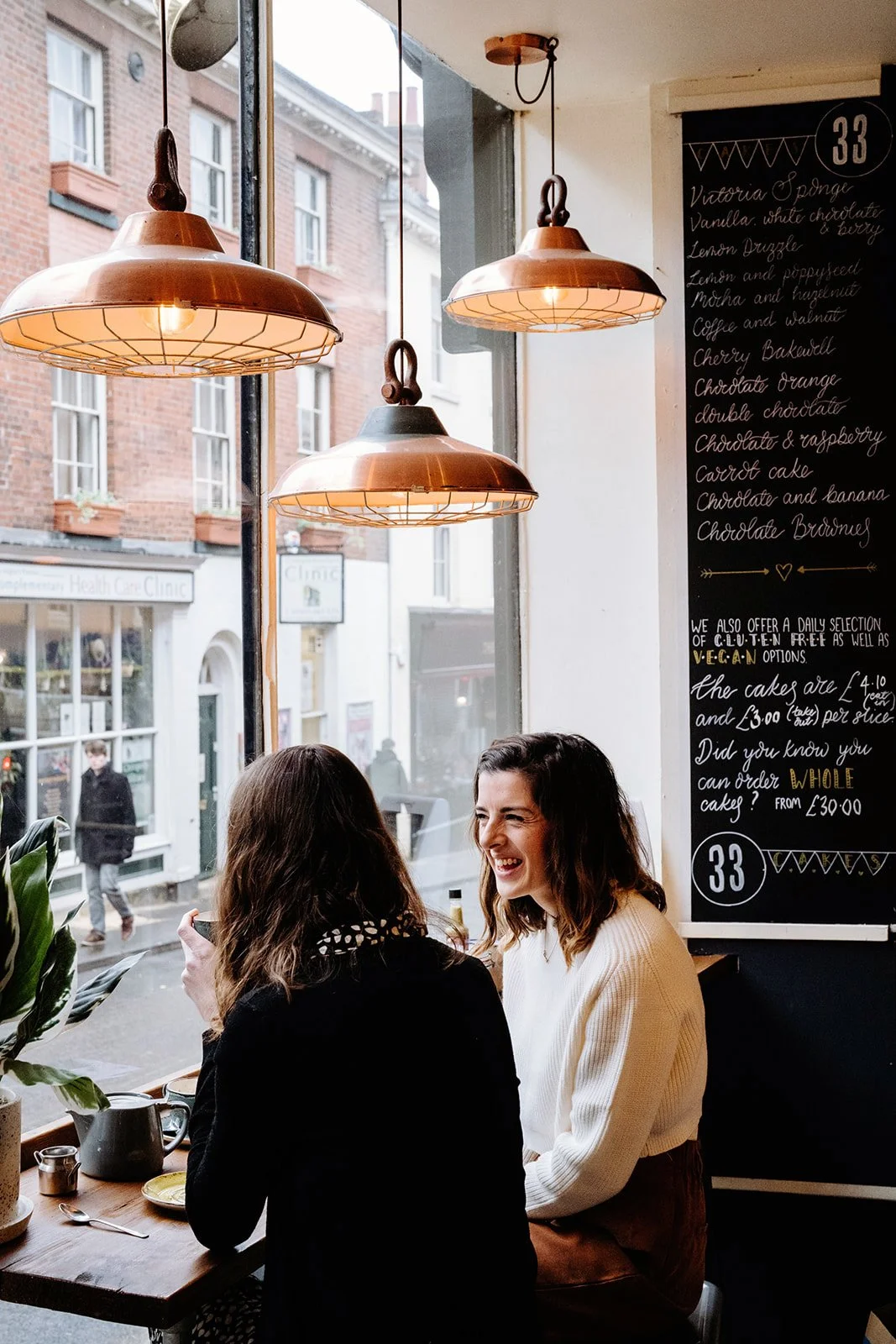
The key differences at a glance
Lifestyle photography
Lightly directed
Designed to look natural and polished
Consistent and controlled
Ideal for marketing-led content
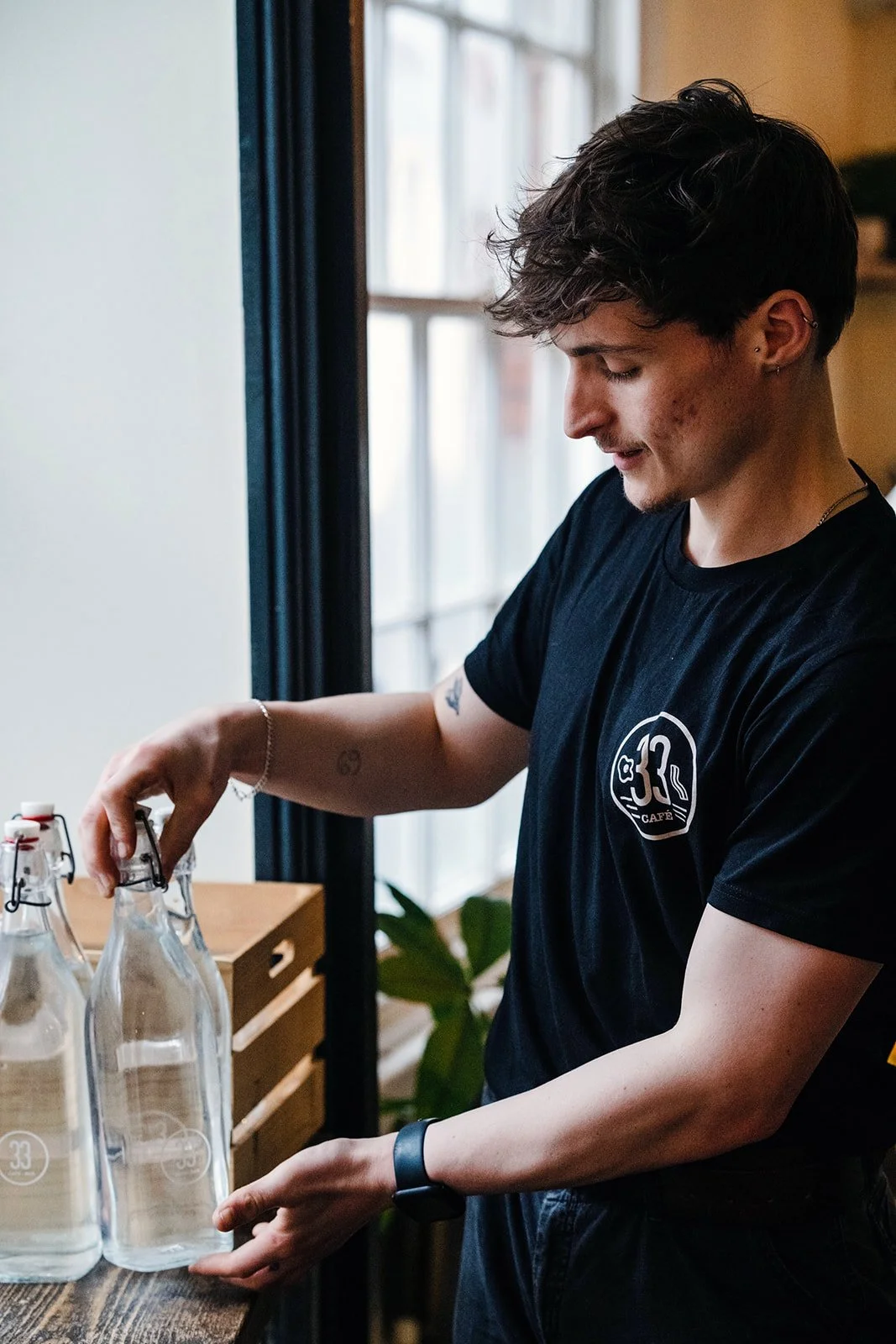
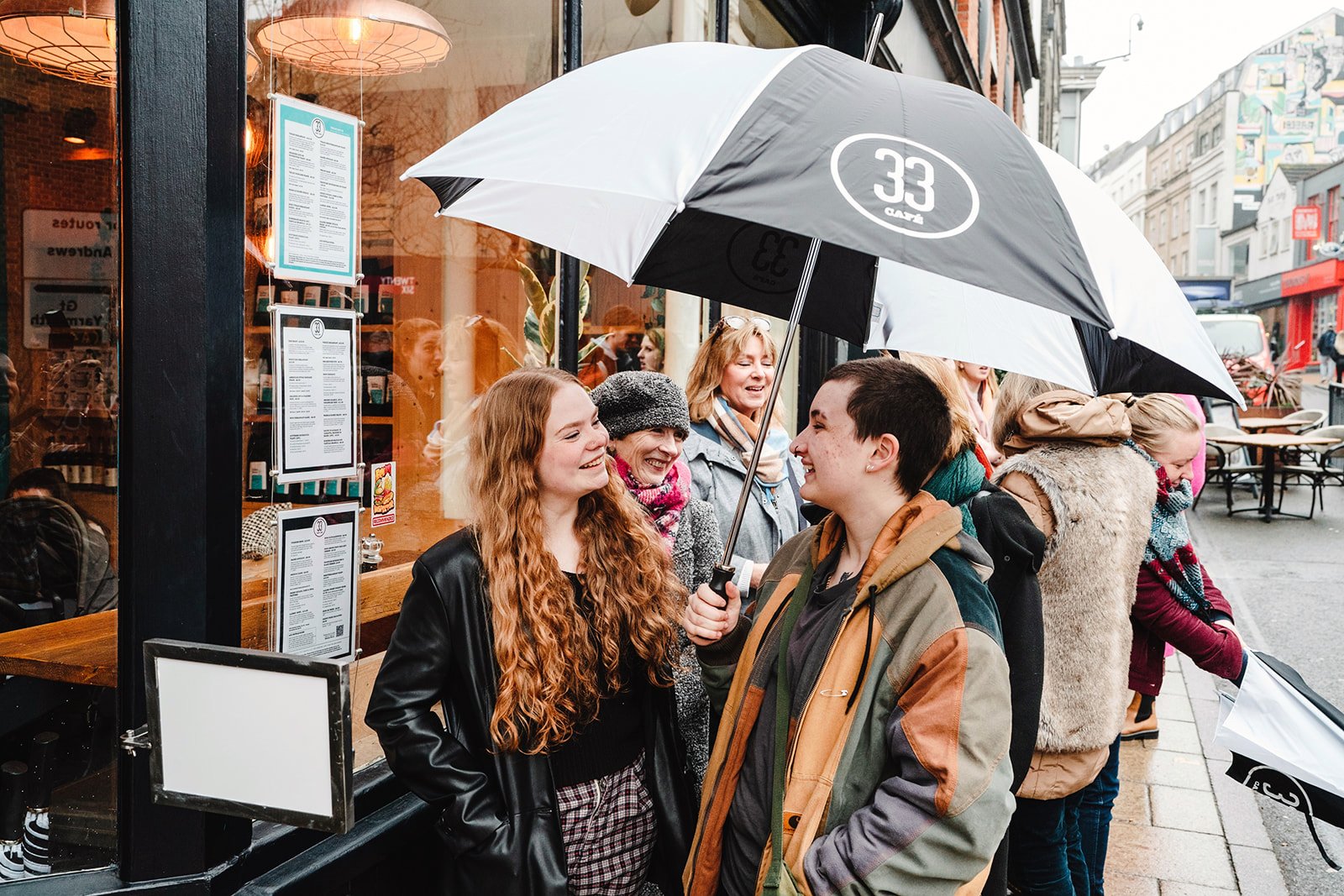
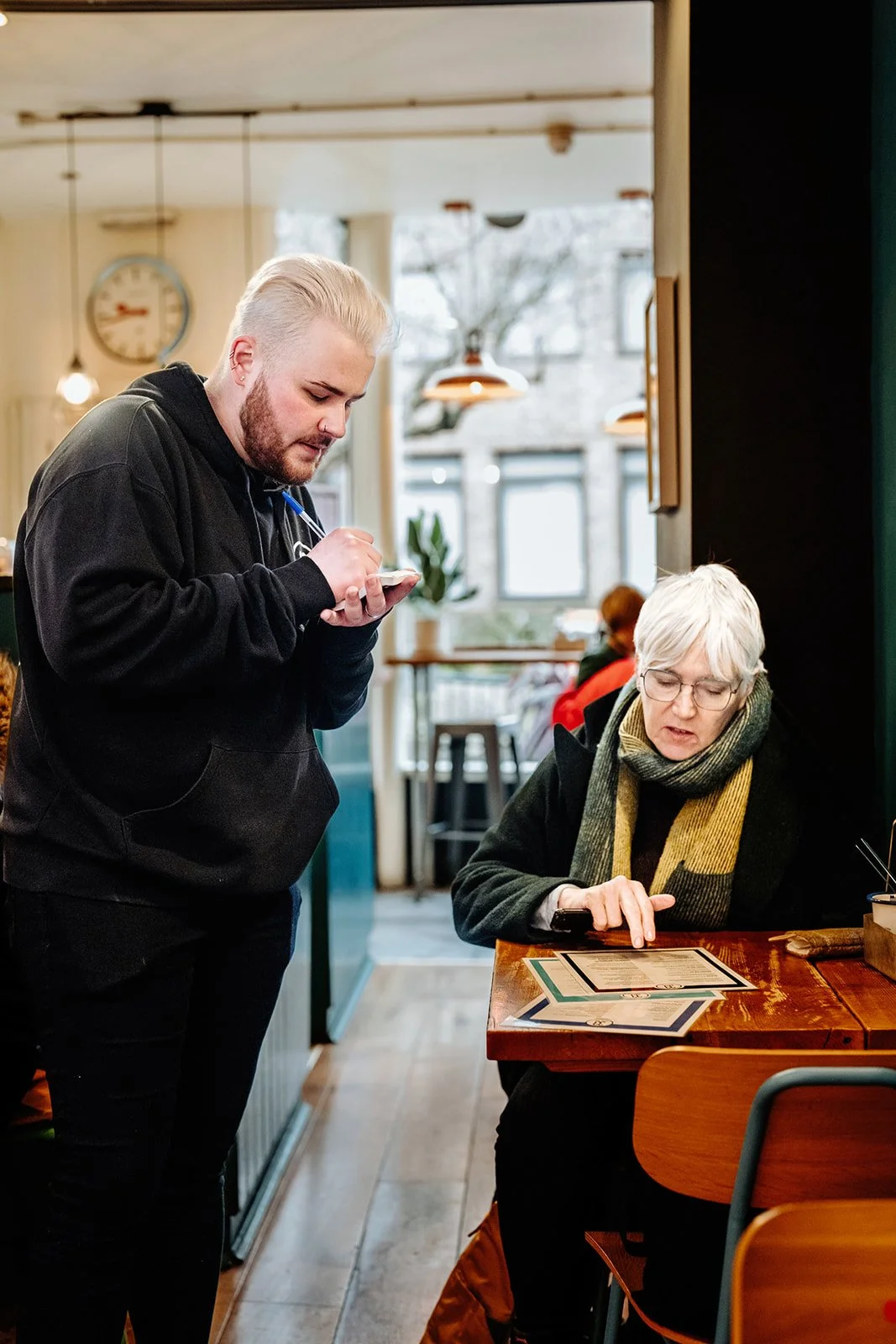
Documentary photography
Observational, not staged
Reflects real working conditions
More variable and context-driven
Ideal for storytelling and credibility
Neither approach is “better”. They simply serve different purposes.
Which approach is right for your business?
A useful question to ask is this:
Do you want the images to show what your work looks like? Or should your images demonstrate how your work really happens?
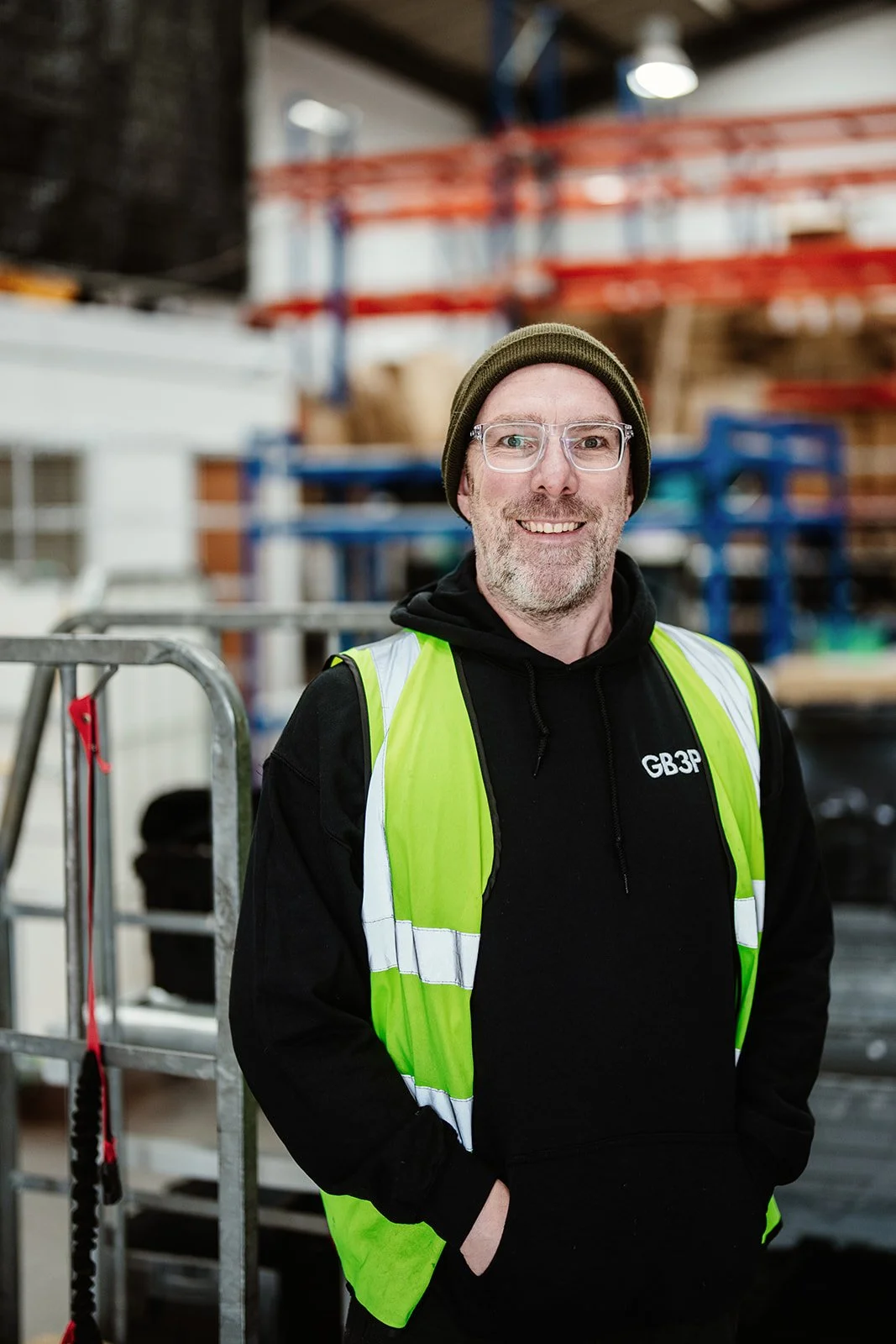
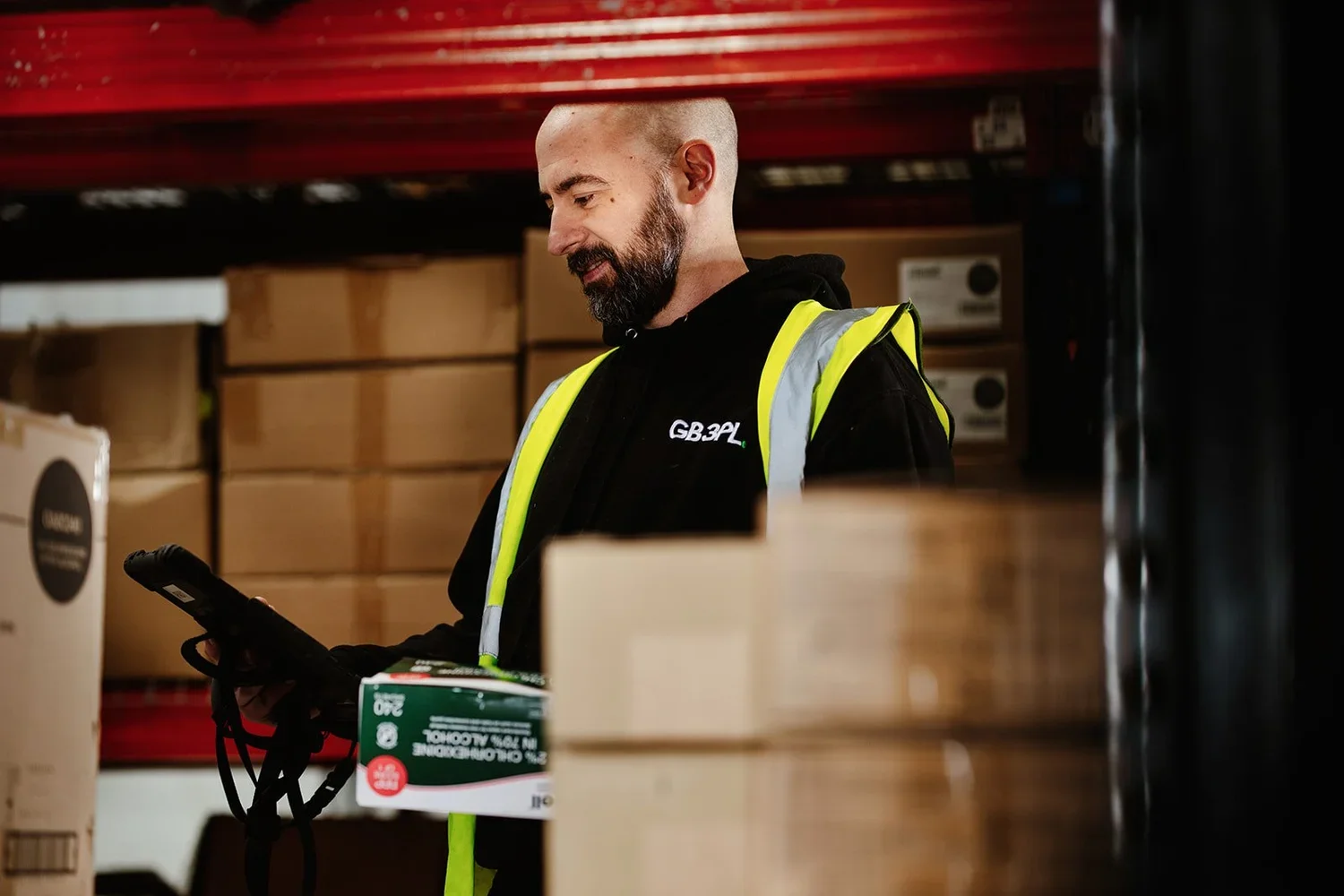
If you need clarity, consistency and speed, lifestyle photography may be the right fit.
If you need honesty, depth and trust, documentary photography is often a better choice.
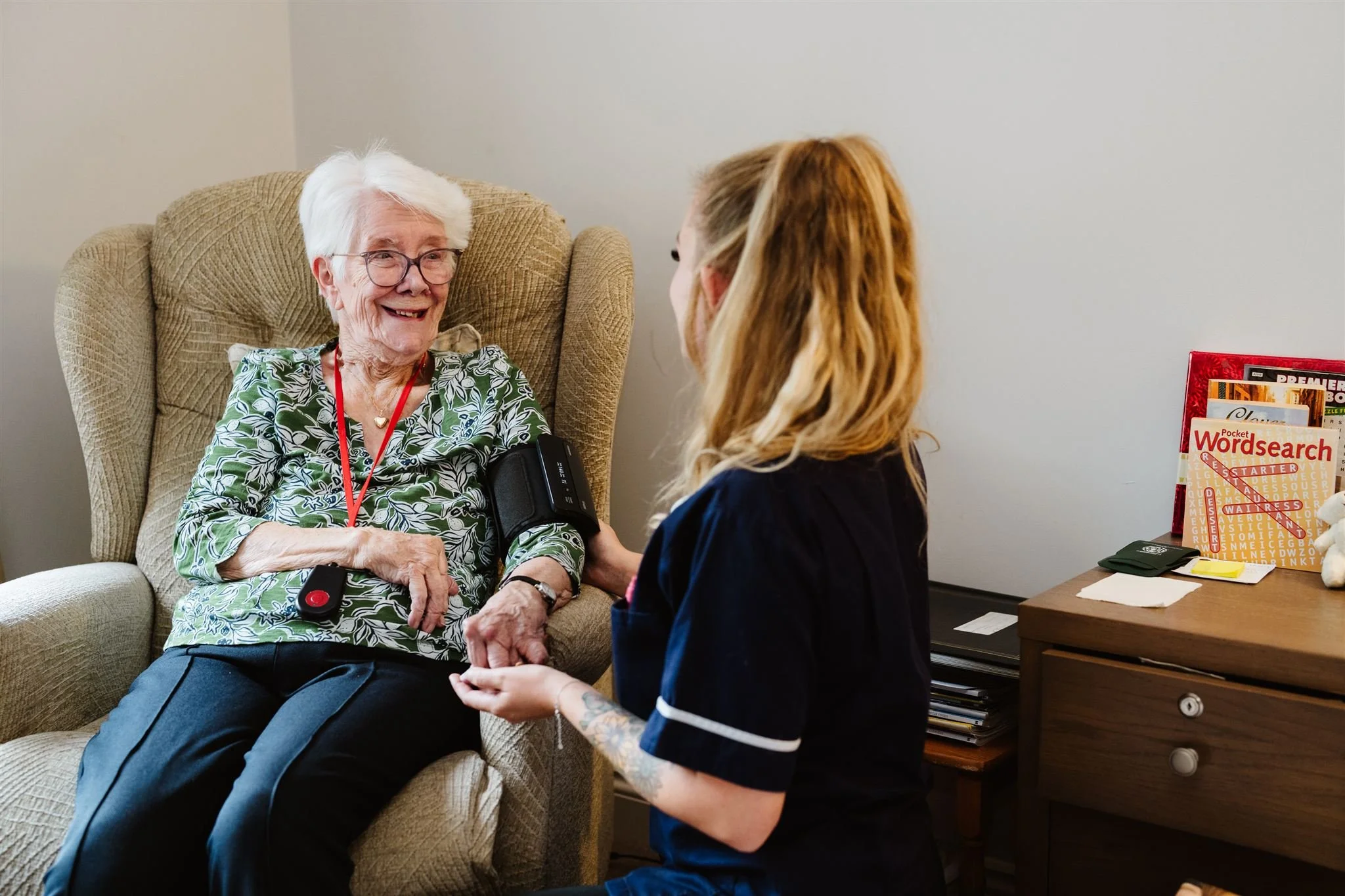
Many projects sit somewhere in between. It’s common to blend a documentary approach with a small amount of direction, especially in working environments where people feel more comfortable with light guidance.
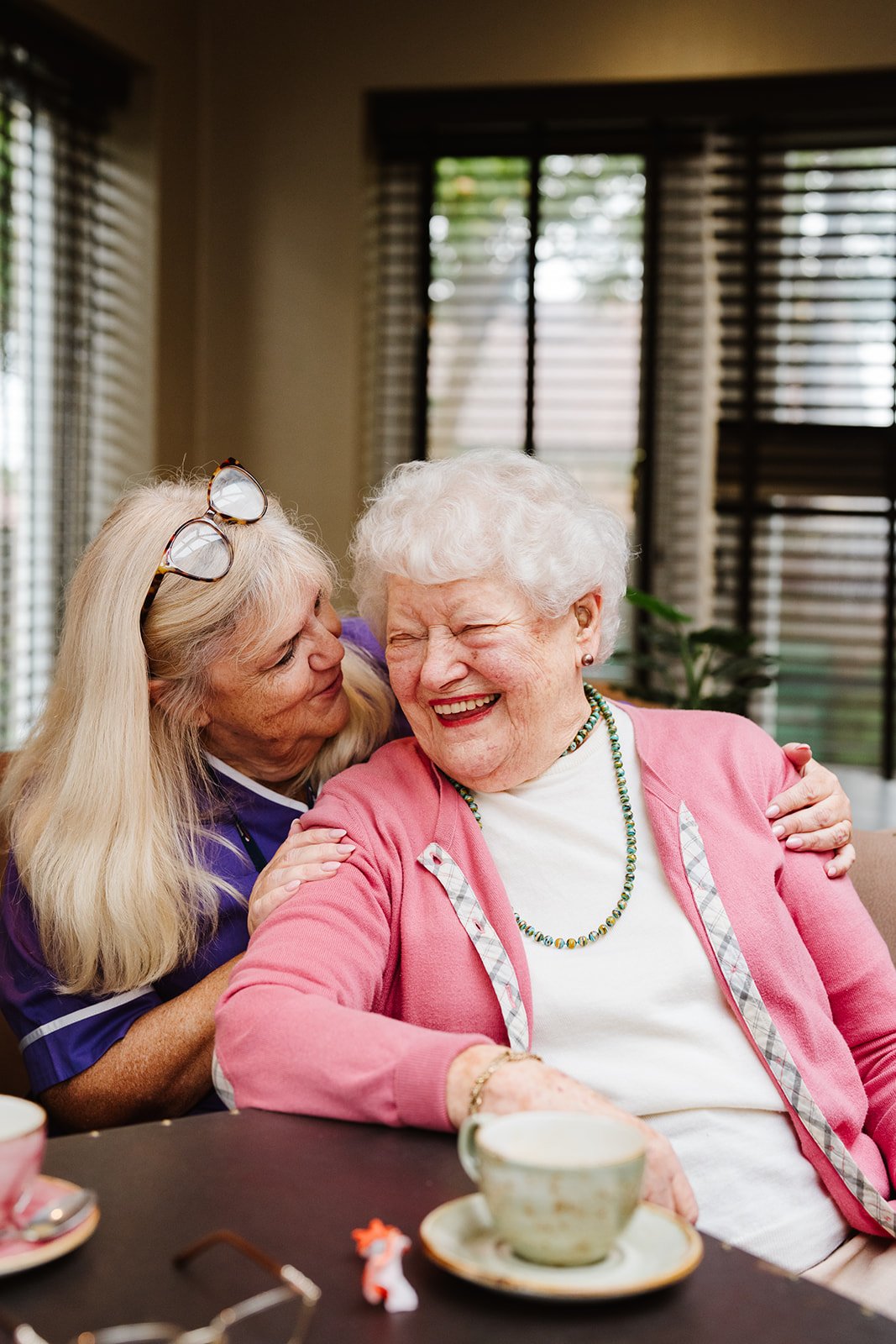
Choosing the right approach
The most effective photography starts with purpose. How the images will be used matters more than the label attached to the style.
Whether the work is lifestyle-led, documentary-led, or a blend of both, the goal is the same: imagery that helps people understand your organisation and feel confident engaging with it.
If you’re unsure which approach suits your business, a short conversation usually makes it clear.